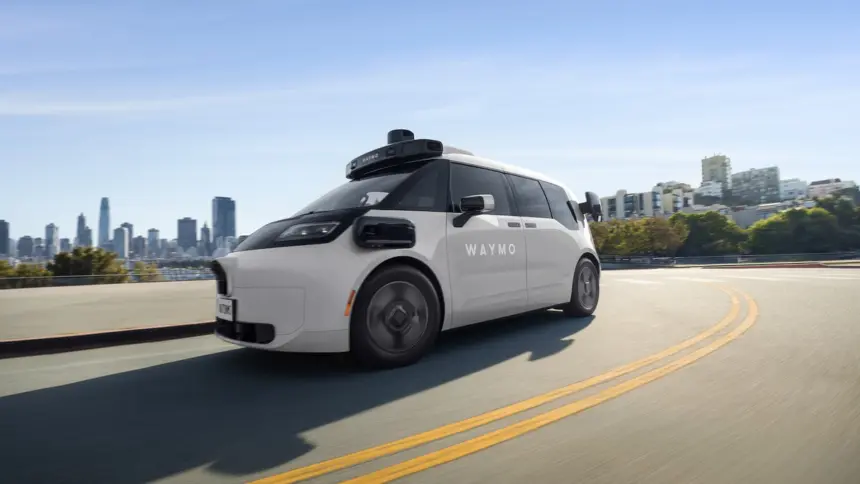
Waymo robotaxi coverage will expand by nearly 250 square miles across five major American metropolitan areas over the coming week. The autonomous vehicle company announced on 27 October 2026 that the commercial territories cover Los Angeles, San Diego, Orlando, Nashville and the San Francisco Bay Area, extending driverless service into several new suburban hubs.
Key points
- Waymo is adding roughly 250 square miles of territory across five operational US urban markets.
- The expansion brings driverless rides to La Jolla in San Diego, Torrance in Los Angeles, and the Berryessa BART station in San Jose.
- The company now operates across 15 metropolitan markets, providing more than 500,000 paid passenger rides each week.
- Tesla expanded its Houston geofence to 254 square miles this week, but its driverless vehicle fleet remains substantially smaller.
Where the new boundaries reach
The operational growth adds commercial ground to five regions where Waymo already carries passengers with nobody sitting in the driver’s seat. The company detailed the rollout in a short post on its blog, with the adjusted operating zones appearing directly inside the Waymo passenger app.
In Southern California, the Los Angeles footprint moves south down the Pacific coastline into the South Bay. The territory extends through Manhattan Beach and Redondo Beach before ending in Torrance. Further south, the San Diego perimeter pushes north to incorporate La Jolla, taking in University City and Clairemont along the route.
In Northern California, the San Francisco Bay Area zone extends deeper into Silicon Valley. Passengers can now book trips directly to regional rail connections at the Berryessa BART station in San Jose. The continuous operating territory now stretches from San Francisco down the Peninsula to San Jose and Campbell.

East of the Mississippi, the company expanded operations in Tennessee and Florida. In Nashville, the commercial boundary pushes further south, allowing passengers to travel to the Nashville Zoo. In Orlando, coverage across the eastern half of the city has nearly doubled, paired with increased vehicle availability in the downtown district. Full regional boundaries are shown on the company’s service area maps.
Pace of market expansion
Waymo did not publish a city-by-city breakdown of the 250 square miles, nor did it disclose how many autonomous vehicles it is adding to support the larger territory.
Several of the affected cities joined the commercial network only recently. Waymo opened Nashville to public riders in April 2026 with a geofence of roughly 60 square miles covering downtown, Midtown, Music Row and East Nashville. Reaching the zoo six months later represents its first major southern expansion in the market.
San Diego developed even faster. The company launched public operations there on 1 September 2026 with approximately 50 square miles between the coast and Interstate 15, barely crossing north of Interstate 8. Expanding north into La Jolla less than two months after opening marks a swift local scale-up.

The latest growth builds on an aggressive commercial timetable established earlier in the year. In May 2026, Waymo expanded its total footprint past 1,400 square miles across 11 cities, an area larger than the state of Rhode Island. Since reaching that milestone, the company eliminated safety drivers in Las Vegas, opened San Diego, and expanded its roster to 15 metropolitan markets.
The commercial gap with Tesla
The boundary expansion comes as competition in the autonomous taxi sector sharpens. Tesla broadened its own operating territory this week, expanding its Houston robotaxi boundary to roughly 254 square miles. That single territory adjustment is comparable in size to the combined acreage Waymo added across its five metro areas.
Fleet monitoring figures, however, highlight sharp differences in vehicle density and passenger availability. Independent tracker Robotaxi Tracker recorded 34 active Tesla vehicles in Houston following the expansion. Tesla launched its robotaxi operations in Dallas and Houston in April 2026 using tight geofences.
Operating numbers show that Waymo retains a wide lead in passenger volume and fleet usage. Waymo logged 3.9 million rider-only miles per week during the second quarter of 2026, completing more than 500,000 paid fares weekly across its network. Tesla recorded 558,000 driverless miles in its latest reported week, with most of that volume concentrated in Austin.
Tesla chief executive Elon Musk said on the day of the expansion that the robotaxi race against Waymo “was never a real contest”. Operating statistics indicate Waymo currently completes about seven times more driverless miles each week than Tesla.
Airports, motorways and regional links
While urban street coverage continues to grow, service gaps remain at major transport hubs. Waymo currently serves airport terminals in Phoenix Sky Harbor, San Francisco International and Nashville International. Major facilities such as Los Angeles International and Dallas/Fort Worth do not yet offer terminal kerbside pick-ups, despite Waymo operating across both metropolitan areas.
Connecting city centres to public transit hubs remains a focus for network planners. The addition of San Jose’s Berryessa BART station creates a direct link between driverless street travel and regional passenger rail.
Waymo has also stepped up testing on California motorways. Linking disparate operational areas, such as connecting the San Francisco Bay Area directly to Los Angeles and San Diego, will require sustained driverless travel at highway speeds without human intervention.
Waymo has begun preparing for international operations as well. Fleet vehicles are currently mapping roads in Toronto ahead of a scheduled commercial debut in Canada in 2028.