Super Micro sales guidance increased sharply on 3 November 2026, with the California server manufacturer forecasting fiscal 2027 revenue between $72bn and $82bn. The business reported that surging demand for systems housing artificial intelligence processors drove the upgrade, which surpassed Wall Street expectations and pushed company shares higher in extended trading.
Key points
- Full-year revenue for fiscal 2027 is now projected to land between $72bn and $82bn.
- Next-quarter turnover is forecast at $19.5bn to $21.5bn, ahead of market predictions.
- Quarterly sales more than tripled year on year as hyperscalers expanded infrastructure.
Revenue forecasts beat market expectations
The updated outlook positions the hardware manufacturer for rapid growth over the next twelve months. In addition to targeting full-year receipts of up to $82bn, Super Micro forecast that revenue over the coming three-month period would hit between $19.5bn and $21.5bn. That quarterly target ran comfortably ahead of average projections on Wall Street, Bloomberg reported.
Shares in the business rose immediately following the release. Quartz reported that the stock gained ground after recent quarterly turnover more than tripled, underpinned by enterprise orders for compute-heavy server racks.
The revision suggests corporate technology budgets are still flowing toward physical systems rather than tapering off. Major cloud operators have continued tapping financial markets to cover these outlays, as shown when an Alphabet euro bond sale gauged institutional appetite for ongoing infrastructure investment.

Surge in data centre server demand
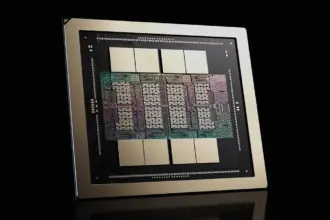
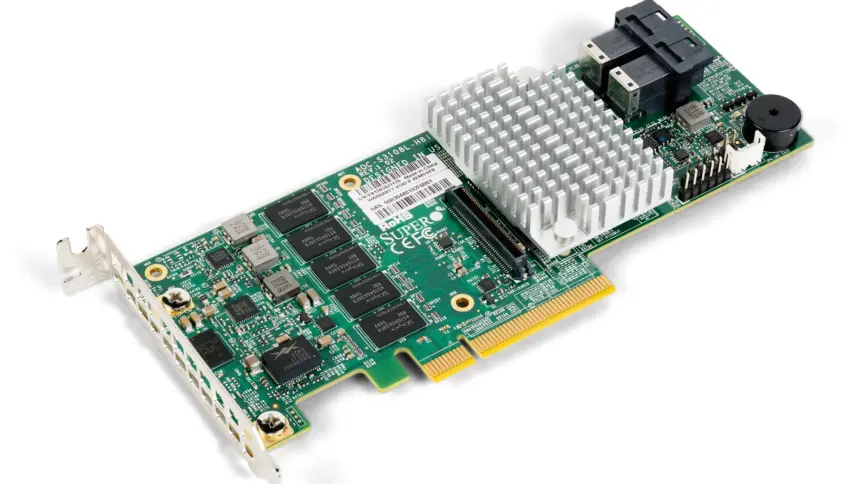
Super Micro integrates high-end accelerators from semiconductor firms into liquid-cooled and air-cooled rack units built for heavy computational tasks. The business has profited as enterprises install on-premise and dedicated cloud clusters to run private models, autonomous agents and developer tooling.
Operational agent frameworks require expansive server networks to process requests continuously. Infrastructure setups such as the Uber MCP gateway, which coordinates thousands of agent tools across 800 servers, illustrate the physical machine footprint that modern software teams manage. Super Micro has oriented its assembly network around delivering fully pre-configured racks with faster turnarounds than traditional corporate hardware vendors.
Equipment housing high-performance processors accounts for the bulk of new order volume. As data centres press against local power and cooling ceilings, customers have favoured dense designs that yield the greatest computing output per megawatt.
Hardware suppliers face high delivery targets
Hitting the upper threshold of the $82bn guidance range will depend on Super Micro avoiding component shortages. Server manufacturing relies heavily on the availability of high-bandwidth memory chips, specialized power distribution hardware and liquid-cooling manifolds.

Any disruption in component deliveries from chipmakers could alter shipment timelines heading into 2027. For now, order backlogs remain high, with production lines running at elevated rates to satisfy booked commitments.