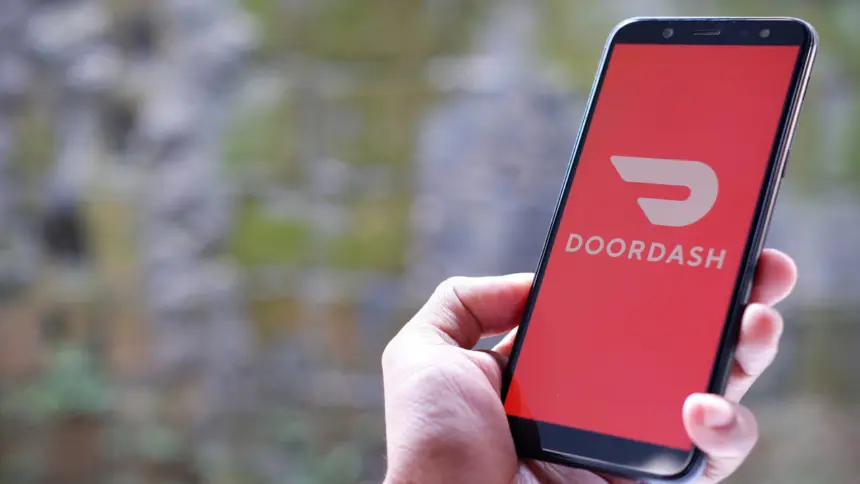
The $17 billion DoorDash Instacart deal agreed on Thursday will unite the largest food courier service in the United States with the country’s leading online grocery platform. The cash-and-stock acquisition is designed to build scale in rapid delivery and counter expanding retail networks from Amazon and Walmart.
Key points
- DoorDash will pay $65 per Instacart share in cash and stock, representing a 26 percent premium over recent trading levels.
- The merger unites DoorDash’s courier fleet and 56 million users with Instacart’s software footprint across 2,200 grocery retail chains.
- The companies plan to combine the DashPass and Instacart+ subscriptions to save members an estimated $100 million annually.
- Regulators in the United States, Canada and Israel must clear the transaction, which is scheduled to close between late 2027 and mid-2028.
Terms of the transaction
Under the terms approved by the boards of directors of both companies on 29 October 2026, Instacart shareholders may select either $65 in cash, 0.3372 DoorDash common shares, or a combination of cash and stock for each share they own. The offer values Instacart’s equity at roughly $17 billion, delivering a 26 percent premium over the company’s closing price on 22 October, before reports of negotiations became public.
DoorDash said that cash will make up at least 75 percent of the purchase price. The company plans to fund the payment through existing balance-sheet reserves and debt, backed by a short-term bridge financing commitment from JPMorgan. Investors holding approximately 19 percent of Instacart common stock have entered into binding agreements to vote in favour of the acquisition.
DoorDash confirmed in a press release that it will preserve the Instacart brand name, its standalone consumer mobile application, and its enterprise software suites after the deal closes. The two businesses will continue operating as independent entities until the transaction completes. Instacart chief executive Chris Rogers said joining forces allows the combined business to expand opportunities for retail partners and shoppers.

Quarterly earnings and company finances
Alongside the transaction announcement, both companies published quarterly financial numbers on Thursday. DoorDash reported third-quarter revenue of $4.6 billion, representing a 34 percent rise compared with the same period a year earlier. Total order volume across its platform grew 28 percent year on year to 993 million orders. DoorDash shares rose more than 8.5 percent in pre-market trading following the news.
Instacart filed its own quarterly results showing revenue of $1.1 billion, an increase of 17 percent from the previous year. Gross transaction value across its grocery partners rose 15 percent to $10.5 billion, while net income reached $147 million. Instacart withdrew its forward financial guidance and cancelled its scheduled analyst call because of the pending takeover.
DoorDash generated $13.7 billion in total revenue in 2025. While restaurant orders remain the core driver of its $73 billion enterprise value, non-restaurant shopping has expanded quickly. During an investor conference earlier in the year, DoorDash chief executive Tony Xu described grocery orders as the fastest-growing segment of the business. Members of the DashPass subscription programme placed roughly three out of every four grocery and retail orders on DoorDash during the second quarter of 2026.
Building scale in online grocery
Instacart launched in 2012 and has spent more than a decade building digital infrastructure for traditional supermarkets. The company partners with roughly 2,200 retail brands spanning nearly 100,000 store locations. Beyond consumer order matching, Instacart sells software to grocers to power their proprietary websites, inventory systems and digital retail media networks.
DoorDash intends to use Instacart’s retail connections to expand its catalogue. The merger will give Instacart shoppers access to more than 50,000 merchant locations already on the DoorDash platform. The companies also intend to link DashPass and Instacart+ under a unified membership fee, a move DoorDash projects will save households about $100 million each year in recurring membership costs.
Combining grocery fulfilment with restaurant takeout solves logistics inefficiencies that have long hurt on-demand delivery margins. “Grocery is one of the hardest things to get right online,” Xu said. Instacart couriers have spent years refining produce selection and perishable handling, while DoorDash has developed routing algorithms and high-density courier fleets capable of completing rapid local drop-offs.
The acquisition continues an aggressive acquisition drive by DoorDash across local commerce. Over the past 18 months, DoorDash spent $3.9 billion to acquire British courier group Deliveroo, following its 2021 purchase of Finnish delivery company Wolt. It also spent $1.2 billion for hospitality booking platform SevenRooms, $300 million for Grubhub’s university campus operations, and $175 million for advertising tech provider Symbiosys.
The threat from Amazon and Walmart
DoorDash and Instacart are reacting to aggressive steps by retail giants that have built proprietary supply chains. An industry survey by research firm Brick Meets Click showed that online grocery sales in the United States jumped more than 16 percent in September 2026 compared with the prior year. The study found that 64 percent of American households placed at least one grocery order online during that month, with digital orders now accounting for nearly 21 percent of all grocery spending nationwide.
Amazon has become an expanding force in local delivery. The company broadened its same-day perishable delivery footprint to 2,300 U.S. cities and towns, allowing Prime subscribers to bundle fresh groceries with general goods. The Brick Meets Click study found that half of all digital grocery shoppers placed an order with Amazon during September.
Walmart has used its store network of more than 4,500 American locations to expand neighbourhood fulfilment. About 29 percent of digital grocery shoppers ordered from Walmart during the same month. Walmart has also challenged DoorDash directly by delivering restaurants such as Dunkin’ and Subway straight through its consumer app.
DoorDash warned that national retail conglomerates are building dedicated automation centres, proprietary shipping fleets and artificial intelligence tools that independent grocers cannot match on their own. By combining, DoorDash and Instacart argue they can provide regional supermarkets with the technical scale needed to compete with national chains.
Antitrust review and closing conditions
Regulators are expected to scrutinise the transaction because it merges two of the largest third-party delivery platforms in North America. DoorDash held preliminary purchase discussions with Instacart in 2021 when Instacart carried a valuation between $40 billion and $50 billion, but those talks collapsed due to valuation disagreements and expected antitrust challenges.
Instacart subsequently held informal discussions with Uber before opening negotiations with DoorDash, Bloomberg reported. Uber later walked away from talks, leaving DoorDash as the sole bidder.
To address expected competition concerns, DoorDash announced several operating commitments ahead of regulatory filings. The company said grocers will not be forced into exclusive contracts and will remain free to use competing delivery providers. Contract couriers will retain the ability to choose their working hours and will have the option to pick up orders from either platform or focus solely on one.
The merger requires formal clearance from antitrust authorities in the United States, Canada and Israel. Both companies anticipate the review process will take between 12 and 18 months, pointing to a final closing date in late 2027 or the first half of 2028.