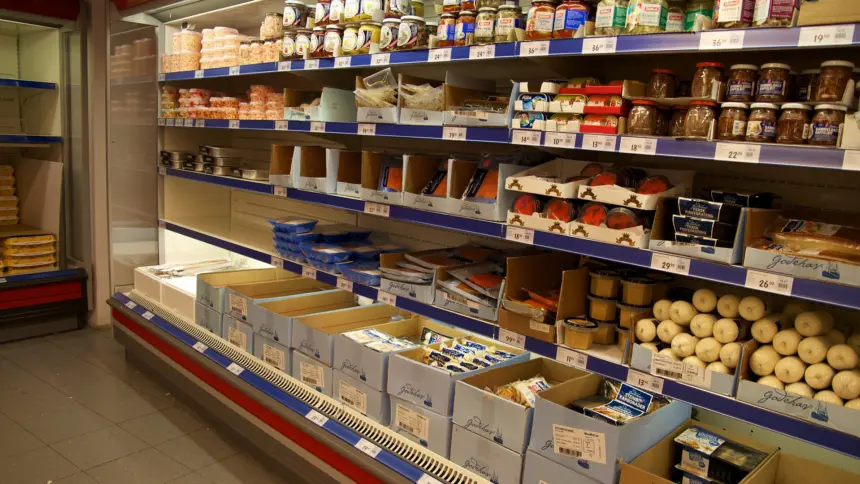
Supermarkets across Belgium and Sweden reported sudden temperature changes in their fridges and freezers on Monday, 2 November 2026, prompting fears of a coordinated supermarket refrigeration cyberattack. The disruptions follow similar digital incidents recorded recently across French food retailers, pointing to potential vulnerabilities in automated grocery climate systems.
Key points
- Retailers in Belgium and Sweden detected sudden, unexplained temperature changes in cooling equipment on Monday.
- Investigators suspect cyberattacks targeted commercial refrigeration and freezer units directly.
- The disruptions match the pattern of similar digital attacks reported recently at French supermarkets.
Sudden temperature spikes in stores
Store operators in Belgium and Sweden discovered on Monday that commercial chillers and freezers had deviated from standard settings, Bloomberg reported. The temperature changes happened suddenly, alerting staff that the environmental controls had been altered without local authorization.
Commercial grocery chains use networked temperature monitoring to keep perishable foods within strict legal safety limits. When cooling units warm up unexpectedly, supermarkets face rapid stock spoilage, forcing staff to dispose of chilled and frozen goods to protect public health.
Echoes of recent French retail disruptions
The incidents in Belgium and Sweden mirror recent digital breaches that targeted retail refrigeration units in France, according to Bloomberg. In those cases, cooling equipment also experienced unexpected configuration shifts that raised internal temperatures.

The recurrence of the problem across three European nations suggests that attackers may be targeting standard hardware, shared industrial control protocols, or central building management software used across multiple supermarket chains.
Vulnerabilities in connected refrigeration
Modern food retail relies on operational technology to automate energy use, schedule defrost cycles, and track storage temperatures. Central control platforms often connect cooling racks to external networks so that facilities teams and refrigeration contractors can diagnose faults remotely.
Security analysts have warned that internet-facing industrial control systems often lack basic protections, such as multi-factor authentication or isolated network segments. If unauthorised users gain access to these portals, they can alter setpoints remotely and disable automated alarms before staff notice the physical thaw.
What happens next
Supermarket operators in Belgium and Sweden have not yet confirmed the specific software platforms or vendors affected by Monday’s incidents. Technical teams are continuing to inspect system logs and isolate refrigeration control units from external networks to prevent further temperature tampering.